
In a world where every moment is measured by screen time, the idea of stepping back into the quiet pulse of an ancient forest can feel both radical and essential. An ancient forest experience invites a pause, a reset that counters the constant chatter of notifications, algorithms, and virtual connections. Rather than a fleeting escape, it becomes a deliberate act of reclaiming the senses and reconnecting with the slower rhythms that govern the natural world.
Why the Digital Overload Persists
Modern life is saturated with digital cues. We start our days with the buzz of a phone, keep working while a second screen glows, and end our evenings scrolling through feeds that shape our mood. The cumulative effect is a steady erosion of attention, sleep quality, and even the ability to process emotions deeply. Researchers consistently link high screen exposure to increased stress hormones, reduced gray matter in brain regions associated with empathy, and a heightened risk of mood disorders.
At its core, technology is designed to capture and hold our attention. Ads, social feeds, and autoplay features exploit dopamine pathways, turning our minds into a continuous loop of anticipation and reward. This is a far cry from the forest, where stimuli are vast, subtle, and inviting, encouraging a form of attention that is reflective rather than reactive.
The Ancient Forest Experience as a Counterbalance
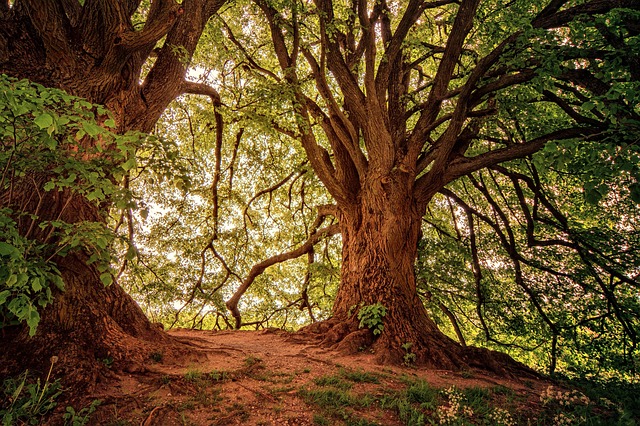
Walking through an ancient forest—whether a misty temperate woodland, a towering rainforest, or a vast boreal expanse—offers a different kind of stimulus. The sounds are layered: birdsong, the rustle of leaves, distant animal calls. The air carries the scent of pine resin and damp earth. The visual scene is ever-changing yet stable, with light filtering through canopies, creating patterns that shift as the day progresses.
Engaging with this environment invites a type of presence that is markedly different from the fragmented focus typical of digital interaction. The forest invites observation, curiosity, and an almost meditative awareness of the present moment.
The Science Behind Forest Bathing
In Japan, the practice of Shinrin-yoku, or forest bathing, was formally recognized in the 1980s as a therapeutic activity. Studies have since demonstrated measurable physiological benefits from spending time in ancient forest settings:
- Reduced cortisol levels, indicating lower stress.
- Lowered heart rate and blood pressure.
- Enhanced immune function, with increased natural killer cell activity.
- Improved mood and reduced symptoms of depression.
These effects are attributed to a combination of factors: exposure to phytoncides (volatile organic compounds emitted by trees), improved air quality, and the opportunity for mindful movement. The result is a tangible shift in both body and mind, making the ancient forest experience a powerful antidote to digital fatigue.
Designing Your Own Digital Detox Journey
Embarking on an ancient forest experience doesn’t require a grand expedition. Here are practical steps to weave nature-based digital detox into everyday life:
- Schedule a “no‑screen” slot: Reserve at least one hour each day or every other day where you turn off all devices. Use this time to walk, sit, or simply breathe within a natural setting.
- Choose the right location: A local park with mature trees, a nature reserve, or even a backyard with a diverse collection of shrubs can provide the essential elements of an ancient forest experience.
- Mindful observation: As you move through the forest, consciously notice the layers of sound, texture, and light. Take deep, deliberate breaths and let the rhythm of the environment guide your thoughts.
- Reflective journaling: After each session, jot down observations—what you felt, any insights, and how you notice your body responding. This reinforces the connection between nature and personal well‑being.
- Set boundaries: When you do return to technology, establish limits—no notifications, social media breaks, or scheduled digital check‑ins—to prevent slipping back into old habits.
Even short, regular encounters with nature can accumulate significant benefits, reinforcing the ancient forest experience as a sustainable practice rather than a one‑off event.
Balancing Technology and Human Connection
Technology is not inherently harmful; it is the misuse and overreliance that create imbalance. The key is intentionality. The ancient forest experience reminds us that the most profound human connections often occur without screens, through shared presence, mutual observation, and embodied communication.
Incorporating digital mindfulness can enhance our interactions. For example, setting a “technology‑free hour” during a family dinner encourages real conversation, while using apps to track screen time can bring awareness to patterns that need adjustment. Ultimately, technology and nature can coexist, each informing the other: technology can facilitate access to knowledge about forest health and conservation, while nature can ground our digital use in a broader context of living.
Future Outlook: The Role of Nature in a Digitally Saturated World
As urbanization accelerates and screens proliferate, the need for intentional nature experiences grows. Cities are experimenting with vertical gardens, green roofs, and urban forestry projects that aim to bring ancient forest qualities into densely built environments. These initiatives provide opportunities for residents to engage in forest bathing without leaving their neighborhoods.
Additionally, advances in virtual reality are creating simulations of forest environments that can serve as preliminary introductions to the ancient forest experience. While such digital approximations lack the full sensory depth of real forests, they can spark curiosity and motivate individuals to seek authentic natural encounters.
Policy makers and educators are beginning to recognize the therapeutic value of nature, integrating outdoor activities into school curricula, workplace wellness programs, and community outreach. The long‑term goal is to normalize regular, mindful interaction with natural settings, ensuring that the ancient forest experience becomes part of the fabric of daily life, not an exception.
Conclusion: Reclaiming Human Presence
The ancient forest experience stands as a powerful counterpoint to the relentless pull of digital technology. By stepping into the silent conversation of trees, hearing the soft language of wildlife, and feeling the earth underfoot, we reconnect with the slow, generous rhythms that shape our bodies and minds. The benefits—physical, emotional, and cognitive—are clear, and the practice is accessible to anyone willing to pause, breathe, and listen.
In a world that constantly demands more attention, returning to nature is not a retreat but a re‑affirmation of what it means to be human. The forest offers a quiet invitation: slow down, observe, and let the ancient rhythms heal what modern screens have worn thin. When we choose to walk in these ancient woods, we choose to reclaim our presence, our focus, and our capacity for genuine connection—both with the natural world and with the people who share it.